November 2025

Materials and Circularity: where the passion for excellence meets a commitment to the environment

From design to supply chain: in FY25, 94% of leathers are LWG-certified and 85% of fabrics are renewable

Materials & Circularity

Luxury is no longer just a symbol of beauty, artistry, and culture—it now stands as a tangible pledge to the planet. Through its ESG plan, Dolce&Gabbana reshapes the dialogue between creativity and sustainability, driven by traceability, trusted certifications, and circular production models. The choice of materials thus becomes a central pillar of the strategy, steering responsible choices throughout the supply chain and opening the path to a more mindful future.

Traceable and certified raw materials


Dolce&Gabbana reimagines design as an act of responsibility toward natural resources. At the heart of this journey lies the Preferred Material List, a structured policy that defines criteria, certifications, and requirements for the use of low‑impact materials. This framework enables the selection of raw materials compliant with verifiable international standards, ensuring quality, safety, and traceability throughout the entire product lifecycle. Among the certifications adopted are Leather Working Group (LWG) for leathers, Responsible Wool Standard (RWS) for wool fibers, and Forest Stewardship Council (FSC) for cellulosic fibers.


These certifications guarantee transparent and consistent processes across the supply chain. In fiscal year 2024/2025, 85% of fabrics purchased were renewable, 94% of leathers came from LWG‑certified tanneries, and 29% of total raw materials were classified as low‑impact. These achievements surpass the initial target set for 2026, demonstrating tangible and measurable progress. The approach aims to reduce dependence on virgin resources, promote responsible supply chains, and strengthen a culture of transparency. ESG materials are part of a long‑term strategy that guides the creative process toward products that respect the environment while upholding the highest standards of excellence.

DG Recover and craftsmanship: circularity as a creative rebirth


On the journey toward a more responsible fashion, DG Recover stands as one of the most significant initiatives within Dolce&Gabbana’s circular philosophy. At its core lies the belief that every material, fabric, or archival garment holds a value worthy of recovery and transformation. More than five tons of fabrics and linings, along with over ten thousand archival pieces, have been regenerated through the mastery of artisans, who reinterpret each element with the same care devoted to the original creations. This process is not mere reuse, but creative regeneration: dormant materials are reborn as unprecedented expressions of identity, where sartorial tradition engages in dialogue with sustainability. Circularity thus becomes an aesthetic and cultural language, uniting innovation with respect for resources.

Italian craftsmanship as a driver of responsibility


At Dolce&Gabbana, craftsmanship is regarded as an essential part of cultural heritage, a means to reduce waste and extend the life of materials. Excellence in tailoring techniques allows what already exists to be transformed, supporting a production model founded on care, time, and artisanal skill. The artisanal gesture thus becomes an act of sustainability, preserving authenticity and generating positive impacts throughout the product’s lifecycle.


With clear objectives and verifiable results, Dolce&Gabbana demonstrates that sustainability is also a decisive factor in competitiveness. From the valorization of ESG materials to circular initiatives such as DG Recover, the brand is building a model of responsible luxury capable of meeting global challenges and consumer expectations. It is a journey that looks to the future with pragmatism, innovation, and respect for the planet’s resources.

July 2025

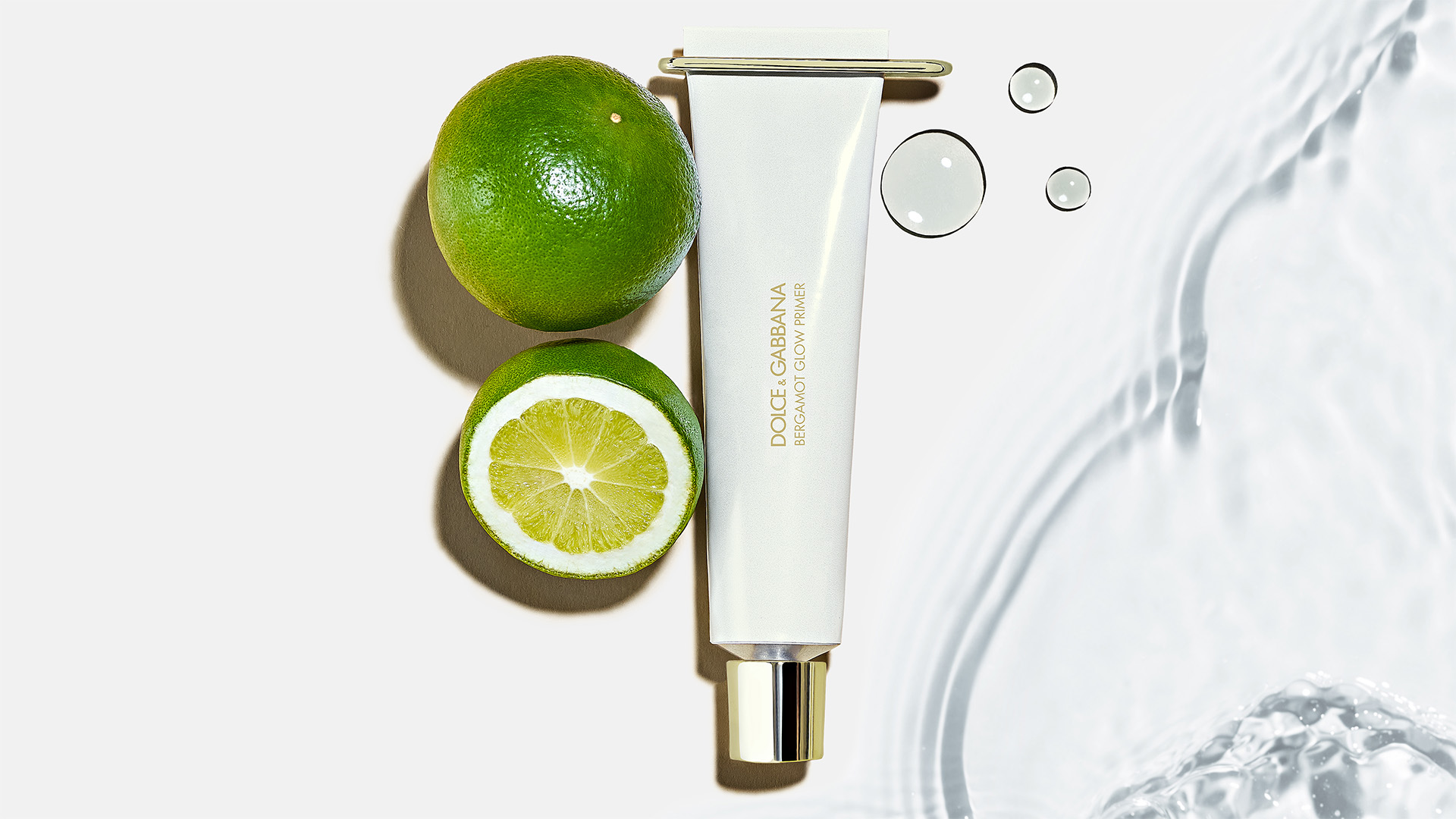
Dolce&Gabbana Beauty: a sustainability that starts from the formula

From the selection of raw materials to the traceability of the supply chain, every phase of the brand’s production process is focused on quality, safety, and reducing environmental impact

Materials & Circularity
Dolce&Gabbana Sustainability | Beauty Ingredients 01

In Dolce&Gabbana Beauty, sustainability is a concrete path of transformation.
Attention to quality, safety, and environmental impact translates into well-defined actions that concern every phase: from the choice of ingredients to transparency in the supply chain.
This holistic approach is reflected in formulation choices, relationships with suppliers, and the entire production supply chain.


Beauty and Sustainability


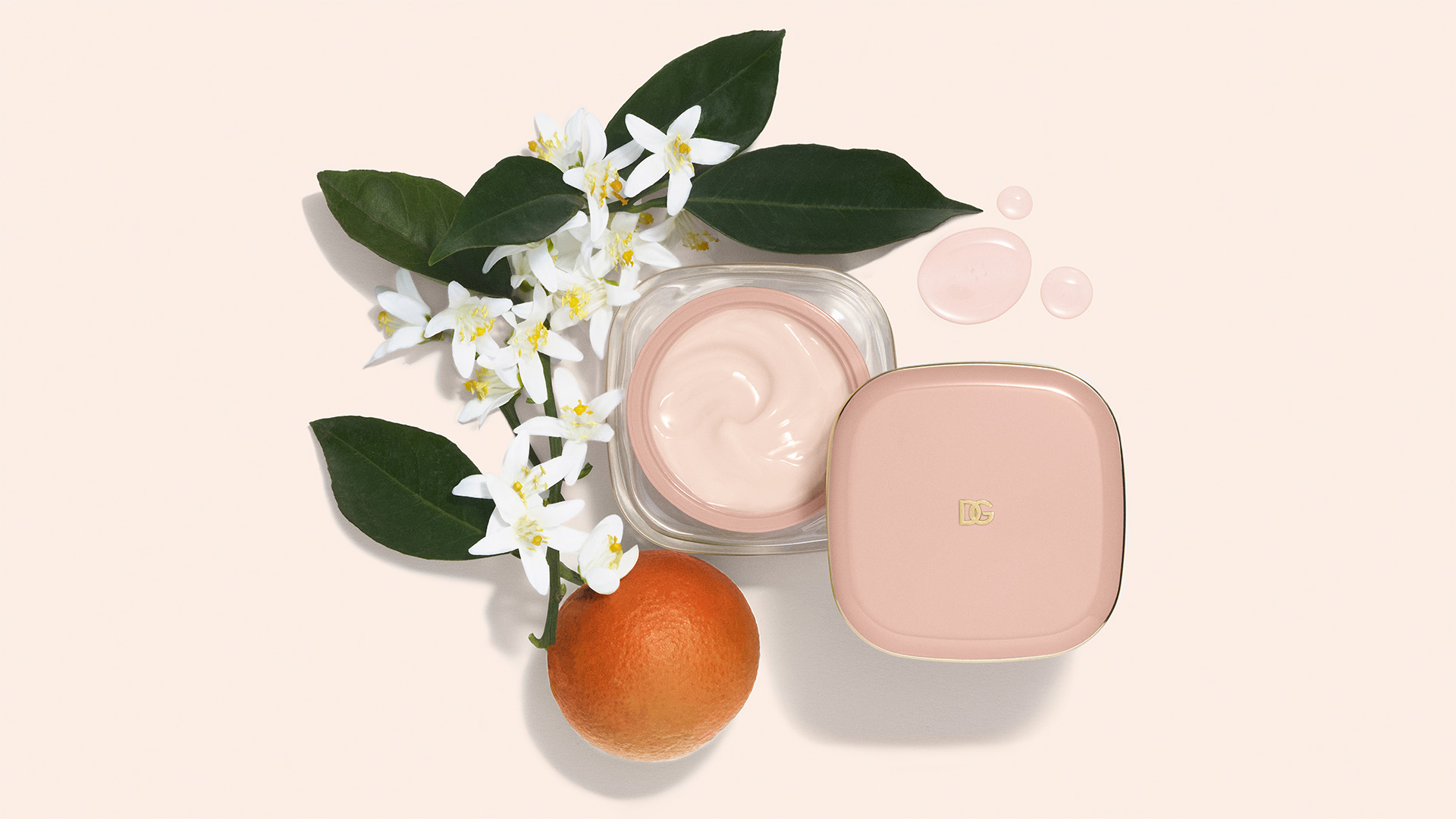
Every formula is designed with a sustainability-oriented approach to respect and protect the surrounding environment. Ingredients are carefully selected to meet the highest international safety regulations and standards, ensuring quality, traceability, and compliance.


Driving this effort is a conscious selection of ingredients that goes beyond regulatory requirements. To achieve this, a specific blacklist has been adopted, excluding not only prohibited substances but also those that could compromise ecosystem balance or consumer safety. Ingredients still under evaluation by competent authorities are also excluded, demonstrating utmost precaution and responsibility.


Environmental protection involves considering the entire product lifecycle: from ingredient sourcing to their impact on the environment post-use. Elements such as oils and mineral waxes derived from fossil fuels (Paraffinum liquidum, Microcrystalline Wax) have significant emissions impacts during extraction. Therefore, Dolce&Gabbana Beauty avoids or minimizes their use in product lines, favoring alternatives with lower environmental impact.

Dolce&Gabbana Sustainability | Beauty Ingredients 03
Dolce&Gabbana Sustainability | Beauty Ingredients 04
Dolce&Gabbana Sustainability | Beauty Ingredients 05
Dolce&Gabbana Sustainability | Beauty Ingredients 06
Dolce&Gabbana Sustainability | Beauty Ingredients 07
Dolce&Gabbana Sustainability | Beauty Ingredients 03

Dolce&Gabbana Sustainability | Beauty Ingredients 04

Dolce&Gabbana Sustainability | Beauty Ingredients 05

Dolce&Gabbana Sustainability | Beauty Ingredients 06

Dolce&Gabbana Sustainability | Beauty Ingredients 07

Similarly, cosmetic products do not contain ingredients derived from genetically modified plant species, which could disrupt local biodiversity if introduced into the environment by displacing native species and altering local ecosystems.


This commitment to biodiversity also extends to aquatic ecosystems, where every ingredient can make a difference. Certain sunscreen filters, once released into water during bathing, have been shown to compromise the health and balance of marine ecosystems. Notably, as highlighted in Hawaii Act 104 — a law passed by the State of Hawaii — benzophenone-3 (oxybenzone) and ethylhexyl methoxycinnamate (octinoxate) contribute to coral bleaching and mortality, as well as harm fertility and development in these and other aquatic organisms.


For this reason, Dolce&Gabbana Beauty complies with Hawaii Act 104, ensuring that its products are safe for marine ecosystems. The brand is committed to favoring mineral filters over chemical ones, due to their lower environmental impact.

Even in the final stages of the product life cycle, Dolce&Gabbana Beauty is committed to carefully assessing the environmental impact of each ingredient. Some substances, once released, can persist in the environment and accumulate within ecosystems, potentially disrupting their balance. This is the case, for example, with cyclic silicones, the chelating agent EDTA and its derivatives, as well as substances such as PEGs and ethanolamines. For this reason, one of Dolce&Gabbana Beauty’s key sustainability goals is to gradually reduce the use of these ingredients, supporting partners in the search for and adoption of alternative substances—without compromising the quality and performance of its formulas.


Microplastics represent another significant challenge for the brand. While essential to ensuring high product performance, particularly in make-up, they are currently undergoing a phased replacement process. In collaboration with its partners, Dolce&Gabbana Beauty is actively engaged in the research of alternative raw materials, anticipating regulatory requirements already set at the European level.


The path taken by Dolce&Gabbana Beauty demonstrates that sustainability in cosmetics is only possible with a long-term vision, based on responsibility, transparency, and innovation.
From production processes to compliance with international conventions, every decision is aimed at minimizing the impact on the environment and on people, offering the consumer a safe and conscious product.

August 2023

Dolce&Gabbana: towards a more Sustainable and Circular production

The company is actively pursuing ambitious projects to boost circularity in the Apparel Industry, leveraging ecosystem collaboration

Materials & Circularity
Zero Waste Approach
Dolce&Gabbana Sustainability | Abstract Image 15

One of the most pressing challenges for the fashion industry is the pursuit of greater sustainability. Dolce&Gabbana is a company that exhibits remarkable drive, bolstered by its expertise and the passion with which it approaches every aspect of its operations. Prioritizing increasingly sustainable production has become an urgent focus in recent years, with a keen eye on optimizing every stage of the supply chain, presenting opportunities to minimize waste and give a new life to materials like cotton, metal, leather, and plastic.

Through collaborations with the Consorzio Re.Crea and outstanding Italian partners, the company holds grand visions for the future.

Dolce&Gabbana Sustainability | Sostenibilità Circolare

The success of zipper upcycling


Among the successful projects of the company, the zipper upcycling one stands out. The idea originated in 2018 when Dolce&Gabbana found itself managing a warehouse containing a staggering 900,000 zippers, just as the price of brass was significantly rising. The solution was a collaboration with a historic foundry in Castellanza, which allowed the separation of brass from the tape. Thanks to this initiative, 980 kg of brass were upcycled to create two million pieces between rivets and buttons, sufficient to meet the demand for five seasons, from 2019 to 2021.


Sustainable packaging for underwear


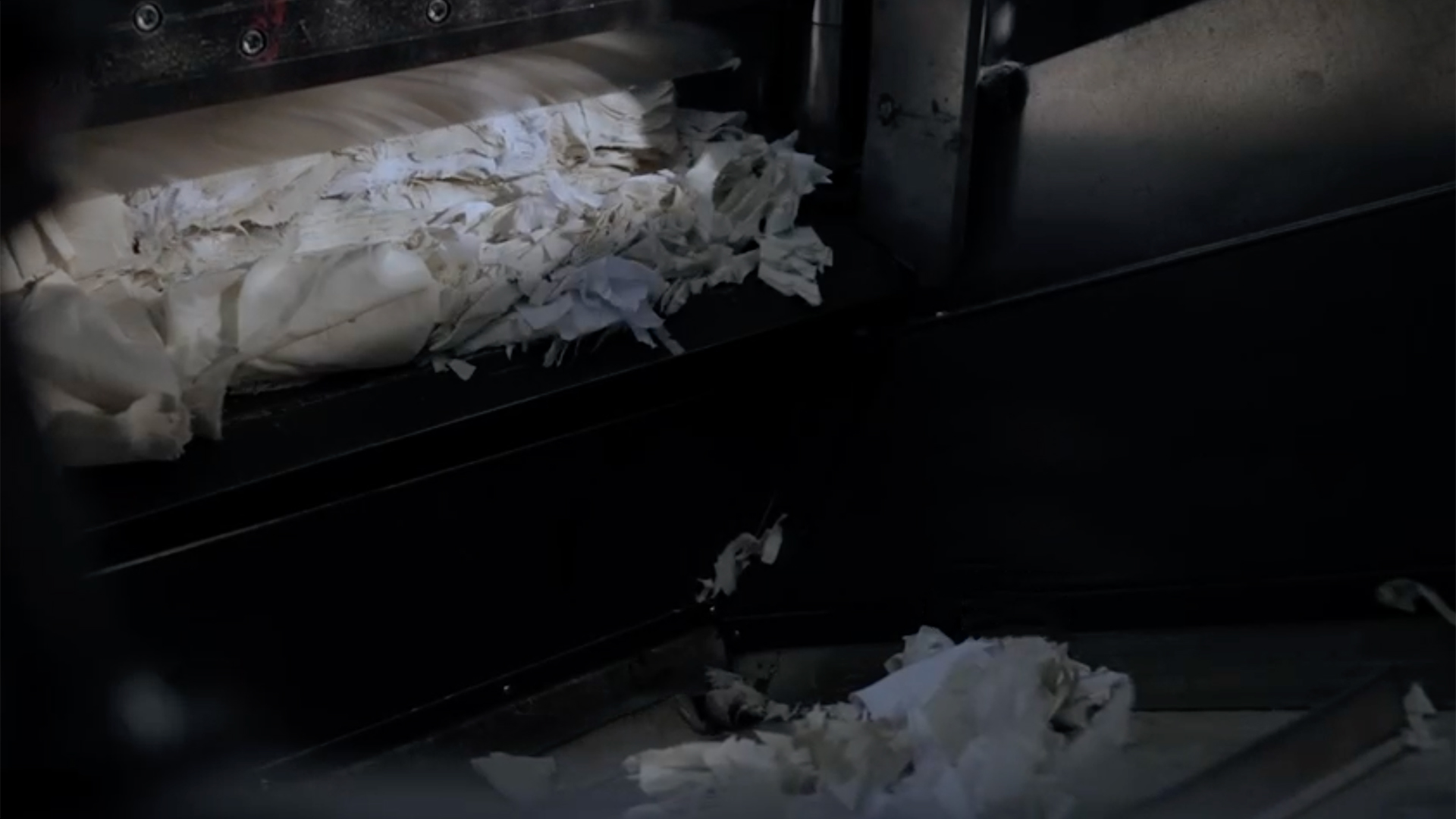
Another significant sustainable project undertaken by Dolce&Gabbana involves the packaging of underwear. Through this project, the company successfully achieves 100% cotton recovery, transforming it into high-quality paper for packaging. The process encompasses several stages, from evaluating the feasibility of reusing the waste to processing the fibrous material, ultimately resulting in the creation of the first layers of regenerated paper. Moreover, Dolce&Gabbana is exploring the possibility of using these textile scraps to craft fabric bags and pouches for shoe storage.


Innovative machinery paving the way to a sustainable and circular production


Dolce&Gabbana doesn’t intend to stop here and is already working on additional projects for waste minimization and materials’ valorization. The company will introduce innovative machines that will automatically cut prints, eliminating the use of paper. Four of these machines will be allocated to Lonate and one to Sarmeola. Initially, children’s collections will be involved, as they have the potential to become locally sourced. The goal is to cut 100,000 pieces per season, and to re-use the waste generated from these processes to create bags and garment covers.


Dolce&Gabbana is demonstrating a visionary outlook and tangible dedication to sustainability. Through the adoption of ambitious and innovative projects, the company is contributing to shape a sustainable future for the fashion industry, proving that circularity is more than a mantra: it is a mission to be scaled at industrial level and deployed through ecosystem collaboration.

March 2023

Dolce&Gabbana launches Re.Crea, for textile waste sustainability

The fashion house embarks on an important sustainability project

Ecosystem Collaboration
Materials & Circularity
Zero Waste Approach
Dolce&Gabbana Sustainability | Fatto a Mano - 23

A new green step for Dolce&Gabbana. The company has founded, together with five other luxury brands in the fashion industry, the Re.Crea Consortium.

The project, coordinated by Camera Nazionale della Moda Italiana, aims to manage end-of-life textiles, fashion products and promote the research and development of innovative recycling solutions.

The Consortium intends to respond in a timely manner to the European directive on ‘Extended Producer Responsibility for Textile Waste (EPR)’ and the implementation of such legislation nationally, which is currently being developed and coordinated by the Ministry of Ecological Transition.

Dolce&Gabbana Sustainability | Fatto a Mano - 25

The Consortium is also evaluating partnerships with Italian experts in the fields of production, research and development as well as with international academic institutions specialised in sustainability and innovation research. Such as, DTech Lab, an innovation centre at the Fashion Institute of Technology in New York, ‘Silklab’, an interdisciplinary research laboratory at Tufts University in Boston and the MIT Center for Collective Intelligence in Boston.

Dolce&Gabbana Sustainability | Fatto a Mano - 32
>